Nationwide · Seasonal Planning & Weather · 7 min read
Iceland Seasons, Daylight Hours & Weather Planning Guide
Understand how Iceland’s extreme daylight cycle, Atlantic storm tracks, and highland snowmelt shape what routes are practical in each month.
Why Daylight Matters More Than Temperature
First-time travelers often focus on Celsius or Fahrenheit averages in Iceland, which stay relatively mild along the southern coast due to the North Atlantic Current. In practice, daylight duration and wind speed dictate trip feasibility far more than air temperature.
Between late May and mid-August, long days allow comfortable multi-stop driving without rushing before dark. Conversely, between mid-November and late January, usable daylight narrows to roughly 4 to 6 hours—meaning two or three major stops plus lunch can consume an entire winter day.
Summer, Shoulder, and Winter Planning Windows
Peak summer (June–August) brings open Ring Road passes, staggered openings of interior F-roads monitored by the Icelandic Road and Coastal Administration, green valleys, and the highest lodging and rental vehicle prices. Midnight sun twilight eliminates true astronomical darkness from roughly mid-May through late July, so northern lights viewing is not viable in midsummer.
Shoulder months (April–May and September–October) offer lower crowd density and more flexible accommodation pricing. September combines accessible Route 1 conditions with returning night darkness for aurora watching, while April and October regularly bring sudden snow squalls on northern and eastern mountain passes.
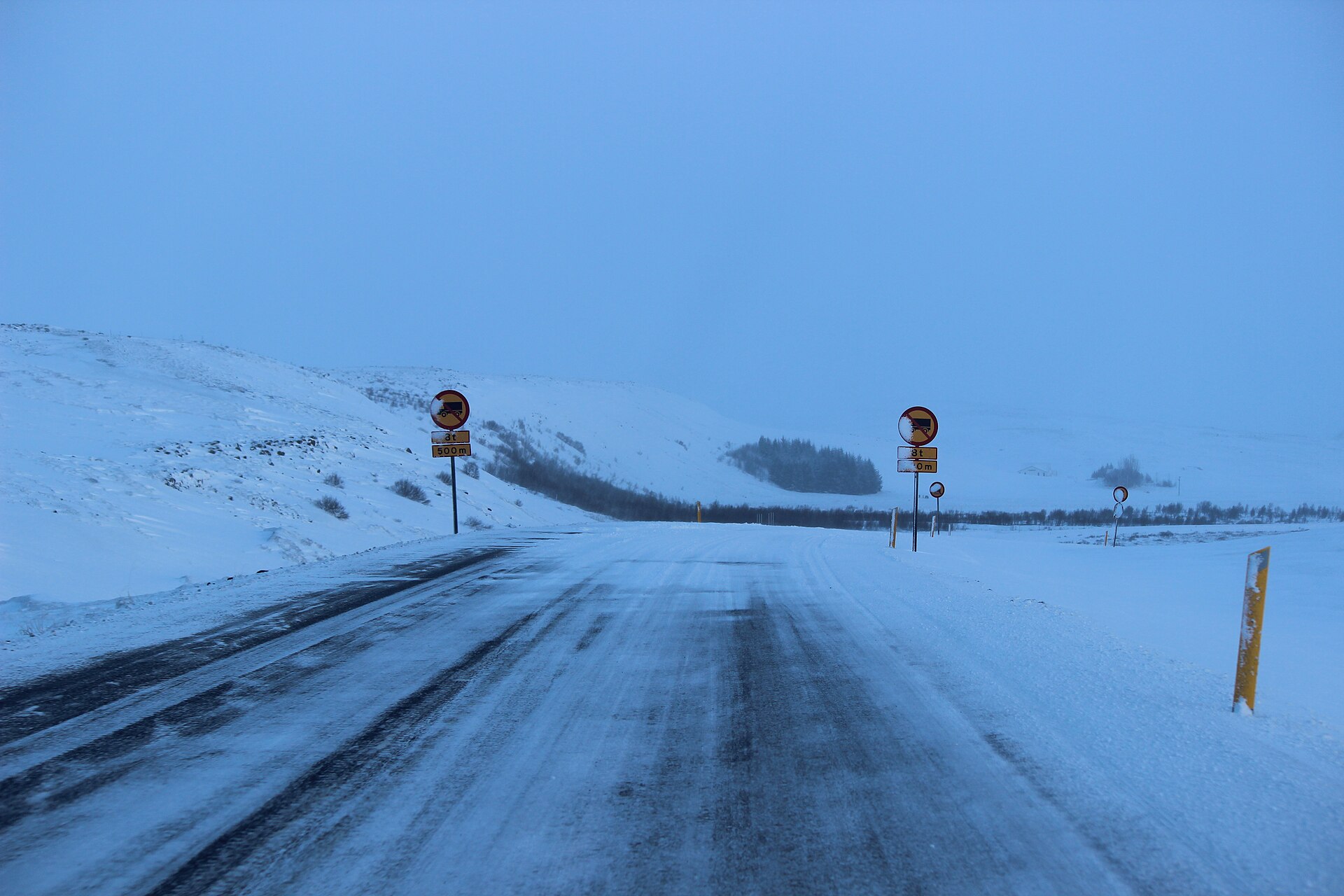
Winter (November–March) delivers snow-covered landscapes, ice-cave excursion seasons, and long dark nights for northern lights, alongside heightened storm-closure risk. Keeping itineraries concentrated around Reykjavík, the Golden Circle, Snæfellsnes, or the South Coast—or relying on guided excursions—reduces disruption risk.
- Summer (Jun–Aug): 15–21 hrs daylight · F-roads open progressively · No aurora darkness · Peak pricing.
- Early Autumn (Sep): 11.5–14.5 hrs daylight · Ring Road generally open · Aurora season begins.
- Winter (Nov–Mar): 4–13 hrs daylight · F-roads closed · Winter tires mandatory/essential · High weather variability.
- Spring (Apr–May): 13.5–20 hrs daylight · Thaw closures in highlands · Quieter tourist corridors.
Understanding Icelandic Wind Warnings & Storm Colors
The Icelandic Meteorological Office issues color-coded weather alerts (Yellow, Orange, Red). Yellow warnings advise caution for exposed driving or high-sided vehicles (such as campervans); Orange warnings indicate severe weather where travel should often be postponed; Red warnings mean hazardous conditions requiring travelers to shelter in place.
Always check wind gusts in meters per second (m/s) with the Icelandic Meteorological Office and Vegagerðin’s road conditions map—gusts exceeding 20–25 m/s can tear open car doors when parked facing downwind or blow gravel against vehicle paintwork.
Model This Route for Your Dates
Test your exact trip length, travel month, and vehicle choice inside the Iceland Road Trip Planner & Budget Estimator.
Partner Search · Trip.com / Travelpayouts Flight Search · Reykjavík / Iceland (KEF)
Search flights to Reykjavík (KEF)
Disclosure: Travel Iceland may earn a commission if you book through partner links or widgets on this page. Affiliate disclosure.
Partner Search · GetYourGuide · Iceland-wide
Popular Iceland guided tours
Disclosure: Travel Iceland may earn a commission if you book through partner links or widgets on this page. Affiliate disclosure.
Frequently Asked Questions
- Which month offers both Ring Road access and northern lights?
- September and late August to early October generally offer the best overlap of dark night skies for potential northern lights and mostly snow-free Ring Road conditions, though clear skies are never guaranteed.
- When do Iceland’s highland F-roads open?
- Opening dates vary every year based on winter snowpack and spring thaw conditions. Many routes open between mid-June and mid-July and close by September or October. Check the Icelandic Road and Coastal Administration (Vegagerðin) for official historical averages and live status.